No gym? No problem. This beginner home workout plan helps you get stronger, fitter, and more confident — all from your living room. Perfect for beginners with zero equipment.
You don’t need a gym membership to get fit. You don’t even need fancy dumbbells or machines. What you need — really need — is the decision to start. That’s the hardest part. Most people never make it past that moment where they think, “I’ll start next week.”
If you’re reading this, you’ve already passed that moment. That means you’re ready — ready to move your body, ready to build some strength, and ready to finally feel better about your energy and health.
This isn’t one of those impossible workout guides that demand an hour a day or leave you gasping on the floor after ten minutes. This plan is for real beginners. The people who just want to start small, stay consistent, and see results that last.
So let’s start where you are — with no equipment, no pressure, and no overcomplicated routines. Just you, your space, and a few minutes each day.
There’s something special about exercising at home. It’s private, it’s flexible, and it’s completely yours. No one’s watching. No one’s judging. You can wear your oldest T-shirt, turn up your favorite song, and move however feels right.
The beauty of bodyweight training is that it’s simple yet powerful. Your body is your equipment. You’ll learn control, balance, and strength using what nature gave you. And the best part? You can do it anywhere — bedroom, living room, or even your balcony.
Home workouts are also sustainable. You don’t have to travel to a gym or buy anything expensive. The consistency that you build in your own space is what creates real change.
Your body is like an engine. You wouldn’t drive a car without warming it up first, right? Warming up increases your blood flow, wakes up your muscles, and prepares your mind for movement.
Spend just five minutes moving gently. March in place. Swing your arms. Rotate your shoulders. Twist your torso side to side. Do a few slow squats. Feel your body loosen up, your heartbeat rise a little, and your breathing deepen. That’s your signal that it’s ready to work.
The goal isn’t to exhaust yourself before the workout — it’s simply to wake up every muscle so you move smoothly and safely.
Let’s talk about what your weekly plan looks like. Don’t overthink the schedule — it’s about showing up, not perfection. Three or four days a week is enough when you’re starting out.
The key is balance: some days focus on strength, others on core, and at least one day should give your body time to recover while still staying active. Think of it as teaching your body how to move again.
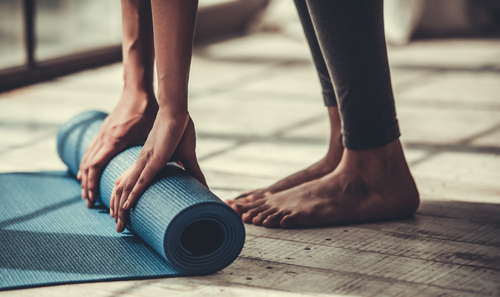
On your workout days, pick a comfortable space where you can stretch your arms out freely. You don’t need any equipment, but a yoga mat or towel helps with comfort.
Begin each session by telling yourself, “I’m just going to move for 20 minutes.” You’ll be surprised how quickly those minutes turn into motivation.
Start with movements that engage your whole body — things like squats, push-ups, and lunges. You don’t need to rush. Focus on slow, controlled movements.
If you can only do five squats at first, that’s fine. The goal isn’t to match anyone else’s numbers; it’s to make progress from your own starting point. Every rep you do builds strength, and every time you show up builds consistency.
Your first few sessions are about connection — learning how your body moves and how it feels when it works.
Start with squats to wake up your legs and glutes. Move into push-ups, even if you have to do them on your knees. Try holding a plank for just twenty seconds. These simple moves activate multiple muscle groups and improve balance and posture.
On another day, you can shift focus to your core. Crunches and leg raises build strength around your stomach and lower back — the muscles that keep you upright and stable in daily life.
And don’t underestimate “light” movement days. A slow walk or some gentle stretching keeps your blood flowing and helps you recover faster. Rest doesn’t mean laziness — it’s part of progress.
Every week, your body learns a little more. What felt hard in week one will start to feel natural by week three. And when that happens, you’ll realize that strength isn’t something you buy — it’s something you build, quietly, through repetition.
Let’s be honest — motivation fades. Everyone starts strong, but what keeps you going after that first week is momentum. The reason this plan works is because it doesn’t overwhelm you.
It’s short. It’s simple. And it fits into your day.
You don’t have to drive to the gym or wait for a machine. You can roll out of bed, stretch, and start. You can finish a full workout before your morning coffee cools down. That’s what makes it sustainable.
And when you start seeing even the smallest changes — your jeans fitting better, your mood lifting, your energy lasting longer — it fuels you to keep going.
Consistency is the real secret. You don’t need intensity or perfection. Just movement, day after day.
One of the best things about training at home is the freedom to move at your own pace. You’re not trying to impress anyone. There’s no competition.
If your legs shake during squats, it’s okay. That means your muscles are waking up. If your arms feel tired after push-ups, rest for a minute and start again. There’s no shame in modifying moves or taking breaks.
Fitness isn’t about punishing your body — it’s about learning to trust it. Some days will feel amazing. Others will feel tough. But every day counts because you showed up.
If something feels painful (not the good kind of burn, but sharp pain), stop. Adjust your form, rest, or switch exercises. Progress is slow, but it’s safe — and that’s how you make it last.
Once you’ve finished your workout, resist the urge to collapse on the couch. Spend a few minutes cooling down. Stretching helps your muscles recover, reduces soreness, and improves flexibility.
You don’t need to overdo it. Touch your toes, reach your arms overhead, roll your shoulders, stretch your quads. Move gently and breathe deeply. Feel your heart rate slow down. That’s your body saying thank you.
And as you stretch, take a moment to notice how you feel. Your body is warmer. Your mind is clearer. There’s a little spark of energy that wasn’t there before. That’s the feeling you’re chasing — not exhaustion, but strength and clarity.
Some days you’ll wake up ready to go. Other days, the idea of working out will sound terrible. That’s normal.
When that happens, lower the bar — tell yourself you’ll just move for five minutes. Most of the time, once you start, you’ll keep going. Movement creates momentum.
Another trick? Schedule it like an appointment. Don’t “try” to find time; make time. Even 20 minutes a few times a week can change how your body feels.
And don’t focus too much on results in the mirror. Instead, pay attention to how your body behaves — how easily you climb stairs, how long you can stand without getting tired, how your posture improves. These small shifts are the foundation of real fitness.
A lot of people hesitate to start because they think they need the right setup — mats, weights, apps, shoes. The truth is, all of that helps, but none of it is required.
Your body already knows what to do. It was built to move, stretch, jump, and push. What you’re doing now is just reintroducing it to that natural rhythm.
As you get stronger, you can always make things harder — more reps, slower movements, or longer holds. But for now, enjoy the simplicity. This phase is about building trust between your mind and your muscles.
Progress isn’t always visible in the mirror. Sometimes it’s the way your clothes fit differently. Sometimes it’s the fact that you don’t get out of breath as quickly. Sometimes it’s that quiet pride that comes from doing something you said you’d do.
Every week you complete, you’re building not just muscle, but identity. You’re becoming the kind of person who moves, who cares for their body, who takes action.
And that’s powerful — because fitness isn’t about perfection. It’s about self-respect.
You don’t need a gym. You don’t need equipment. You don’t even need an hour. You just need to start. The beauty of a home workout is that it meets you where you are — tired, busy, unmotivated — and reminds you that progress doesn’t start with a dumbbell. It starts with a single decision: move today.
So roll out your mat. Put on some music. Move your body. Then do it again tomorrow.
That’s how strong beginnings turn into lifelong habits.