gentle and effective yoga poses that help relieve lower back pain, improve posture, and bring lasting comfort to your spine — all from the comfort of home.
You know that feeling — a dull ache in your lower back after sitting for too long, or that tight pull when you bend to pick something up. It creeps up quietly, but it’s always there, reminding you that your body needs attention.
The truth is, most of us carry tension in our lower back. Long hours at the desk, poor posture, stress, and even lack of movement all add up. Over time, those small habits begin to feel like permanent pain.
That’s where yoga comes in — not as a quick fix, but as a gentle, consistent way to restore strength and balance to your back.
Yoga isn’t just about stretching your muscles; it’s about creating space, teaching your body to move with awareness, and giving your spine the care it deserves. The best part? You don’t need a fancy studio or equipment. All you need is a quiet corner and a few minutes a day.
Let’s walk through some of the most effective yoga poses that can bring real relief to your lower back — the kind of comfort that lasts longer than a painkiller ever could.
Before diving into the poses, it helps to understand why lower back pain happens.
In most cases, it’s not because of a single injury — it’s years of stiffness, weak core muscles, and bad posture catching up with you. When your body stays in the same position for long periods (like sitting at a desk or driving), your spine loses flexibility. The muscles around your lower back tighten to compensate, and soon, even small movements feel uncomfortable.
The good news? The body heals fast when given attention. A few mindful yoga poses practiced daily can release that tension, realign your spine, and strengthen the muscles that support it.
Every yoga session should begin with awareness. Sit comfortably, close your eyes, and take a few slow, deep breaths.
Feel the weight of your body on the floor. Notice where the tension sits — maybe in your lower back, hips, or shoulders. With each exhale, imagine letting that tension melt away.
Breathing this way helps your nervous system relax. When your breath slows down, your muscles follow. It’s your body’s way of saying, “I’m safe. I can release now.”
This simple flow is like a warm hug for your spine.
Start on all fours, with your wrists under your shoulders and your knees under your hips. As you inhale, arch your back gently, lifting your chest and tailbone toward the ceiling — this is the Cow Pose. As you exhale, round your spine, tucking your chin toward your chest and drawing your belly in — that’s the Cat Pose.
Move slowly between these two, syncing breath and movement. Each cycle stretches and mobilizes your spine, releasing stiffness that collects in the lower back.
Do it for a minute or two, and you’ll feel your back loosen almost instantly.
If your back could sigh with relief, this is the pose that would make it happen.
Kneel on the floor, touch your big toes together, and sit back on your heels. Then slowly fold forward, stretching your arms in front of you and resting your forehead on the mat.
Let your body sink down. Feel the stretch along your spine and across your hips. Breathe deeply into your lower back — with every exhale, imagine the tightness melting away.
Stay here for at least a minute or two. It’s one of the best ways to give your lower back a deep, soothing rest.
This pose might feel challenging at first, but it’s incredibly effective.
From all fours, tuck your toes under and lift your hips toward the ceiling, forming an upside-down “V.” Keep your hands shoulder-width apart and your feet hip-width apart.
Don’t worry if your heels don’t touch the ground — they’ll get closer over time.
Downward Dog stretches your entire back chain — your spine, hamstrings, and calves — while also strengthening your shoulders and arms. It decompresses your lower back, relieving pressure that builds up from sitting too long.
Stay for a few breaths, then release gently.
Lie flat on your stomach with your forearms on the mat, elbows directly under your shoulders. Lift your chest gently, keeping your pelvis grounded.
This mild backbend strengthens your lower back muscles and opens up the front of your body. It’s especially helpful if your back pain comes from sitting hunched over a desk all day.
Focus on lifting your chest using your back muscles, not just your arms. Breathe slowly and stay for 30–60 seconds.
You’ll feel a soft but satisfying stretch through your lower spine.
This pose is pure magic for releasing tension in the lower back and spine.
Lie on your back and bring your knees to your chest. Then drop them gently to one side while keeping your shoulders grounded. Stretch your arms out like a “T” and turn your head to the opposite side.
Breathe deeply and relax into the twist. You’ll feel a slow unwinding through your spine and hips — like your body’s hitting the reset button.
After a minute, switch sides.
This one strengthens the muscles that support your lower back — your glutes, core, and hamstrings.
Lie on your back with your knees bent and feet hip-width apart. Press your feet into the floor and slowly lift your hips toward the ceiling.
Keep your shoulders and arms grounded. Hold for a few breaths, then slowly lower your spine back down, one vertebra at a time.
Bridge Pose helps realign the lower spine and improves blood flow to tired muscles. It’s simple, effective, and leaves your back feeling both strong and light.
Lie on your back and bring one knee toward your chest. Hold it with both hands, keeping your other leg relaxed on the floor. Breathe deeply and let your lower back flatten against the mat.
Switch sides after 30 seconds.
This stretch releases tension in your lumbar region and helps relax tight hip flexors — two major contributors to lower back pain.
This pose opens the hips, which often play a big role in back discomfort.
Lie on your back, bend your knees, and cross one ankle over the opposite thigh. Gently pull the bottom leg toward your chest until you feel a stretch in your glutes and outer hips.
Tight hips can pull on the lower back, so releasing them helps everything fall into alignment.
Hold the stretch for about a minute on each side, breathing slowly.
This one is pure relaxation.
Sit sideways next to a wall, then lie back and swing your legs up so they rest vertically against the wall. Let your arms relax by your sides and close your eyes.
This pose improves circulation, calms the nervous system, and gently relieves pressure in the lower spine. It’s a perfect ending to your yoga practice — and a beautiful way to unwind after a long day.
Stay here as long as you like. Five to ten minutes of stillness can do wonders.
If you’re new to yoga, start slow. Pick three or four of these poses and practice them for 10–15 minutes daily.
You don’t need to push or strain — yoga isn’t about perfection. It’s about listening to your body. Some days you’ll feel flexible, other days stiff. Either way, just showing up and moving with awareness is progress.
Over time, you’ll notice your lower back feels less tense. Your posture improves. Even your mood shifts — because physical release creates mental relief, too.
Lower back pain often comes from living too fast — rushing, sitting too long, forgetting to move. Yoga reminds you to slow down, to breathe, and to reconnect with your body.
When you stretch, you don’t just ease the pain — you build strength, balance, and resilience.
And maybe that’s the real secret: relief doesn’t come from doing more, but from doing less — intentionally.
A few minutes of mindful movement every day can change how you carry yourself, how you work, and how you feel.
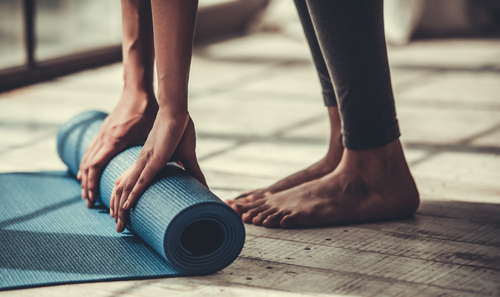
So unroll your mat, take a deep breath, and let your body lead the way to comfort. Your back — and your peace of mind — will thank you for it.