What Does a Data Scientist Do? | Data Science Careers & Jobs
the world of data science in 2025. Learn what data science is, what a data scientist does, the role of database scientists, and top careers in data science.

the world of data science in 2025. Learn what data science is, what a data scientist does, the role of database scientists, and top careers in data science.
Data Science
In 2025, data science is one of the fastest-growing and most in-demand fields across the globe. From powering artificial intelligence to helping businesses make better decisions, data science has become the foundation of innovation. Companies collect massive amounts of data every second—from customer behavior to market trends—and they rely on data scientists to make sense of it.
If you’ve ever wondered what data science do, what does a data scientist do, or what kind of jobs on data science exist, this article is for you. We’ll explore the meaning of data science, the role of database scientists, and the opportunities in a data scientist career.
At its core, data science is the practice of extracting valuable insights from raw data. It combines elements of:
Mathematics & statistics – for data modeling and analysis.
Computer science – for coding, algorithms, and automation.
Domain knowledge – understanding the specific industry (healthcare, finance, e-commerce, etc.).
In simple words, data science is about turning messy, unstructured data into actionable intelligence.
This is why the question “what is data for science?” can be answered as: data is the raw material that fuels scientific, technological, and business decision-making.
A data scientist’s job is both analytical and practical. They:
Collect Data – from databases, APIs, web scraping, and IoT devices.
Clean Data – removing errors, duplicates, and inconsistencies.
Analyze Data – using statistical models and algorithms.
Build Models – applying machine learning to predict trends.
Visualize Results – creating dashboards and charts for decision-makers.
Communicate Insights – presenting findings in simple terms to non-technical teams.
So, if you’re asking what does data scientist do? — they transform numbers into knowledge that drives business, healthcare, technology, and even government policies.
Many people confuse data scientist with database scientist (or database administrator). While related, the two roles are different:
Database Scientist (or DBA/Data Engineer):
Focuses on designing, managing, and maintaining databases. They ensure data is stored efficiently and securely.
Data Scientist:
Focuses on analyzing and interpreting data from those databases. They build models, run experiments, and extract insights.
👉 In short: database scientists manage the “storage” of data, while data scientists generate “knowledge” from data.
Both roles are essential in the digital world, and they often work together in the same team.
Companies today rely on data-driven decisions. From Netflix recommending shows to doctors predicting diseases early, data science is shaping every part of life.
Some real-world uses include:
Healthcare: Predicting patient risks, drug development, and personalized medicine.
Finance: Fraud detection, stock predictions, and credit scoring.
E-commerce: Recommendation systems (like Amazon suggesting products).
Government: Public policy, traffic management, and smart cities.
Education: Personalized learning and performance analysis.
This explains why jobs on data science are booming in 2025.
If you want to build a data scientist career, here are the essential skills:
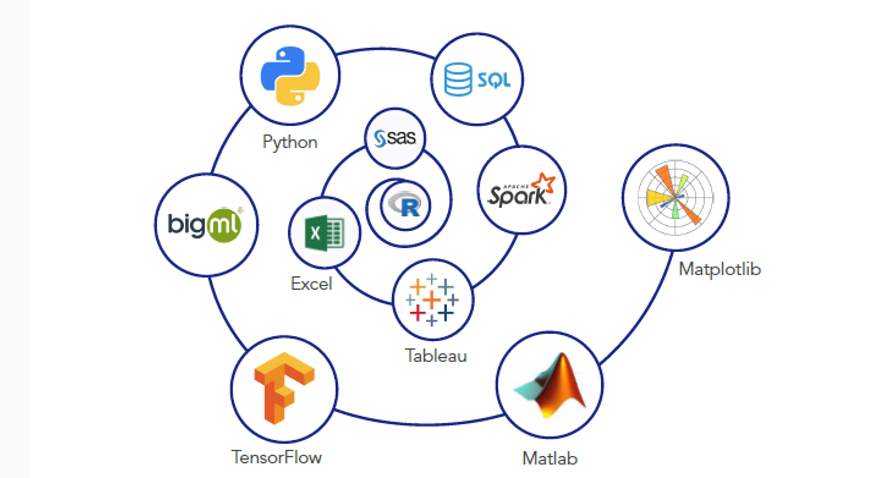
Programming: Python, R, and SQL.
Mathematics: Probability, statistics, and linear algebra.
Machine Learning: Building predictive models.
Data Visualization: Using Tableau, Power BI, or Python libraries like Matplotlib.
Big Data Tools: Hadoop, Spark.
Domain Knowledge: Understanding the business context.
Soft skills are equally important: communication, problem-solving, and critical thinking.
The demand for data science jobs continues to skyrocket. Some of the most popular positions include:
Data Scientist – analyzing data and building predictive models.
Database Scientist / Data Engineer – managing and preparing data for analysis.
Machine Learning Engineer – specializing in building ML systems.
Business Intelligence Analyst – converting data into business strategies.
Data Analyst – focusing on descriptive statistics and dashboards.
AI Specialist – combining data science with artificial intelligence.
According to industry reports, global demand for jobs on data science will grow by over 30% annually through 2030.
To better understand what does a data scientist do, here’s a breakdown of a typical workday:
Morning: Check dashboards, review data quality issues, update predictive models.
Afternoon: Meet with business teams to understand challenges, run machine learning experiments.
Evening: Document results, create visualizations, present insights.
Every day is a mix of coding, analysis, and communication.
Building a data scientist career usually follows these steps:
Education: A degree in computer science, statistics, or related fields (though many succeed through online bootcamps).
Entry-Level Jobs: Data analyst or junior data scientist roles.
Mid-Level: Machine learning engineer or specialized data scientist.
Senior Roles: Data science manager, chief data officer, or research scientist.
The career path is flexible—many professionals switch from IT, finance, or engineering backgrounds.
Because demand is high, data science jobs pay well. In 2025:
Entry-level data scientist: $70,000 – $100,000 per year.
Mid-level data scientist: $100,000 – $140,000.
Senior data scientist: $150,000+.
Database scientist / engineer: $80,000 – $120,000.
Salaries vary by country, but the trend is clear: data science is one of the highest-paying careers.
While exciting, data science also comes with challenges:
Data Privacy: Handling sensitive information responsibly.
Bias in AI Models: Ensuring fairness in predictions.
Skill Gap: Many companies struggle to find qualified data scientists.
Continuous Learning: New tools and techniques emerge every year.
A successful data scientist career requires adaptability and lifelong learning.
The future of data science is tied to artificial intelligence and automation. By 2030:
AI-powered data science tools will automate repetitive tasks.
Database scientists will work with cloud-native solutions like AWS and Azure.
Data democratization will allow non-technical users to analyze data.
Ethical data science will become critical as regulations grow.
Still, human data scientists will remain in demand to provide creativity, ethical oversight, and domain expertise.
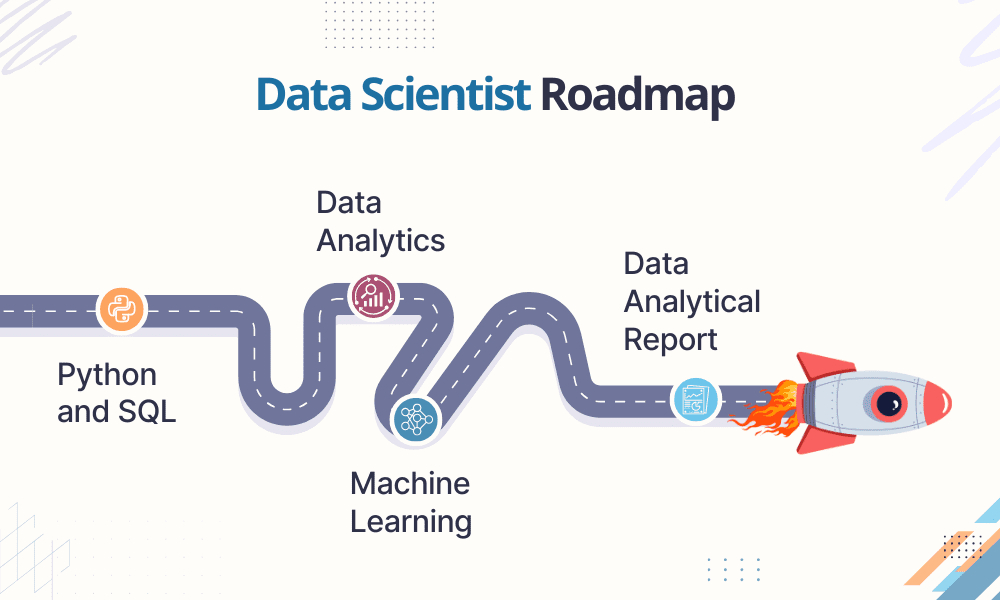
If you’re starting fresh and wondering what data science do for beginners, here’s a roadmap:
Learn basics: Start with Python and SQL.
Practice with datasets: Use Kaggle for hands-on projects.
Build a portfolio: Showcase projects on GitHub or LinkedIn.
Freelance small jobs: Start as a data analyst on Upwork or Fiverr.
Apply for internships: Gain industry exposure.
With persistence, even beginners can land jobs on data science within 1–2 years.
Data science is more than a buzzword—it’s the backbone of modern decision-making. Whether you’re curious about what data science do, what does a data scientist do, or the role of a database scientist, one thing is clear: this field is here to stay.
A data scientist career offers not only high salaries but also the chance to shape the future of industries like healthcare, finance, and technology. As businesses continue to rely on insights, jobs on data science will only increase.
If you’re considering a career change or just starting out, now is the perfect time to explore data science. Learn, practice, and step into one of the most rewarding careers of the 21st century.