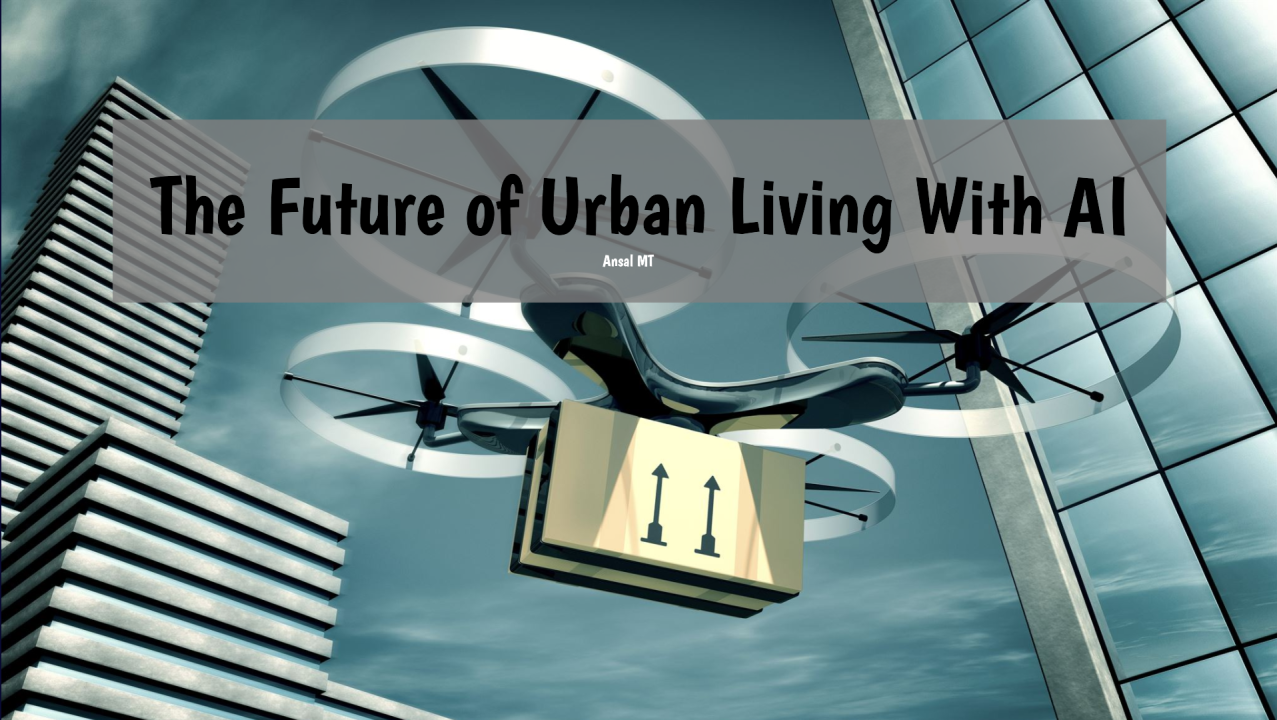
Artificial Intelligence 2025: Characteristics, Benefits, and Challenges
Artificial Intelligence (AI) has become one of the most transformative forces of the 21st century. From self-driving cars and digital assistants to predictive healthcare and automated businesses, AI continues to shape every aspect of our daily lives. As we approach 2025, Artificial Intelligence (AI) is not just a buzzword — it’s a global phenomenon that is rewriting how industries operate, how people interact, and how societies evolve.
This article explores the artificial intelligence characteristics, the benefits of artificial intelligence, its potential downsides, and the overall pros and cons of artificial intelligence as we enter a new technological era.
🌍 Artificial Intelligence 2025: Setting the Stage
By 2025, AI will be more advanced, more integrated, and more impactful than ever before. Some predictions include:
-
AI in Healthcare: Diagnosing diseases faster than human doctors.
-
AI in Education: Personalized learning tailored to every student’s needs.
-
AI in Business: Automating customer support, logistics, and even decision-making.
-
AI in Society: Enhancing smart cities, improving sustainability, and streamlining governance.
What makes AI so unique is its ability to learn, adapt, and improve over time, unlike traditional software that follows strict rules.
🤖 What is Artificial Intelligence (AI)?
At its core, artificial intelligence (AI) is the simulation of human intelligence in machines. These machines are programmed to think, learn, and make decisions like humans — or sometimes, even better than humans.
AI is powered by:
-
Machine Learning (ML): Training systems with large datasets to recognize patterns.
-
Deep Learning: Using neural networks to mimic human brain functions.
-
Natural Language Processing (NLP): Understanding and interpreting human language.
-
Computer Vision: Teaching machines to recognize and interpret images and videos.
In short, AI is about creating intelligent machines capable of reasoning, problem-solving, and adapting.
🔑 Artificial Intelligence Characteristics
The artificial intelligence characteristics that define this powerful technology include:
-
Learning Ability – AI systems learn from experience, data, and feedback.
-
Adaptability – AI can adjust to new circumstances without reprogramming.
-
Problem-Solving Skills – From predicting stock markets to solving medical puzzles, AI excels at analysis.
-
Automation – AI performs repetitive tasks with speed and accuracy.
-
Perception – Through sensors and computer vision, AI perceives its environment.
-
Reasoning – AI can evaluate multiple outcomes and choose the most logical.
-
Decision-Making – AI assists in making informed, data-driven decisions.
-
Continuous Improvement – Unlike static systems, AI gets better the more it learns.
These characteristics make AI versatile and applicable across countless industries.
💡 Benefits of Artificial Intelligence
When discussing artificial intelligence benefits, we must recognize how AI improves efficiency, accuracy, and innovation in everyday life.
1. Increased Efficiency
AI automates repetitive processes, saving time and resources for businesses and individuals alike.
2. Enhanced Accuracy
AI-powered tools (like medical imaging analysis) can detect problems with higher precision than humans.
3. Cost Savings
Automation reduces human labor costs and minimizes errors, leading to long-term savings.
4. Better Decision-Making
AI uses data analytics to provide insights that humans might overlook, improving business and healthcare outcomes.
5. Personalization
From Netflix recommendations to personalized education plans, AI tailors experiences to individual users.
6. 24/7 Availability
Unlike humans, AI systems don’t need rest, ensuring around-the-clock operations.
7. Innovation in Healthcare
AI is helping doctors detect diseases earlier, design treatment plans, and even develop new drugs.
8. Solving Global Problems
AI models help predict climate change, optimize renewable energy, and fight global pandemics.
Clearly, the benefits of artificial intelligence are vast and continuously expanding.
⚖️ Pros and Cons of Artificial Intelligence
Like every powerful tool, AI has both advantages and disadvantages. Understanding the pros and cons of artificial intelligence is key to using it responsibly.
✅ Pros of AI
-
Boosts productivity and efficiency.
-
Reduces human error.
-
Enhances innovation and creativity.
-
Improves customer experience.
-
Saves lives through better healthcare diagnostics.
-
Handles dangerous tasks (e.g., mining, space exploration).
❌ Cons of AI
-
Job displacement due to automation.
-
High cost of implementation.
-
Ethical concerns (bias, discrimination).
-
Privacy risks from data misuse.
-
Dependency on technology, reducing human skills.
-
Security threats if AI falls into the wrong hands.
Balancing these pros and cons is critical as AI evolves into 2025 and beyond.
📊 Case Studies: AI in Action by 2025
To better understand AI’s real-world impact, let’s examine some industries.
1. AI in Healthcare
-
AI diagnostic tools like IBM Watson assist doctors in diagnosing complex diseases.
-
Predictive algorithms warn of outbreaks before they happen.
-
Personalized treatment plans based on genetic data.
2. AI in Business
-
Chatbots like ChatGPT handle customer queries, reducing wait times.
-
AI-driven supply chains predict demand and optimize delivery.
-
Fraud detection in banking prevents billions in losses.
3. AI in Education
-
Adaptive learning platforms provide customized lessons.
-
Virtual tutors help students 24/7.
-
AI tracks student progress for teachers to adjust methods.
4. AI in Transportation
-
Self-driving cars reduce accidents caused by human error.
-
AI optimizes public transportation schedules.
-
Logistics companies save costs through route optimization.
5. AI in Entertainment
-
Music, movies, and gaming use AI for personalization.
-
Virtual actors created with AI may replace traditional performers.
🌐 Ethical Challenges of Artificial Intelligence
As AI spreads, it raises ethical and societal questions:
-
Bias in AI Systems – AI can inherit biases from training data.
-
Privacy Issues – Facial recognition and data collection may threaten personal freedoms.
-
Job Loss – Millions of jobs may be automated by 2030.
-
Autonomous Weapons – Militaries developing AI-powered weapons raise concerns.
-
Accountability – Who is responsible if an AI makes a harmful decision?
Governments and organizations must build frameworks to address these challenges responsibly.
🚀 Artificial Intelligence in 2025: What to Expect
Looking forward, AI will continue to evolve in remarkable ways. Some expected trends include:
-
AI-Powered Healthcare Revolution – Early disease detection through real-time health monitoring.
-
Smarter Cities – AI managing traffic, waste, and energy.
-
Rise of AI Companions – Virtual assistants becoming more human-like.
-
AI in Law and Governance – AI aiding judges, lawyers, and policymakers.
-
Quantum AI – Combining AI with quantum computing for massive breakthroughs.
-
AI for Sustainability – Monitoring forests, oceans, and climate change in real-time.
By 2025, AI will not only be a tool but a partner in innovation.
📌 The Future: Balancing Benefits and Risks
The benefits of artificial intelligence are immense, but without careful management, its risks could outweigh its rewards. To ensure AI remains a force for good, we must:
-
Promote AI Ethics – Ensure fairness, accountability, and transparency.
-
Invest in Education – Prepare workers for AI-driven industries.
-
Strengthen Regulations – Balance innovation with safety and privacy.
-
Encourage Global Cooperation – Build international standards for AI use.
✅ Conclusion
As we step into Artificial Intelligence 2025, it’s clear that AI is no longer futuristic — it is the present and future of innovation. The artificial intelligence characteristics of adaptability, decision-making, and problem-solving make it one of the most powerful tools humanity has ever created.
The benefits of artificial intelligence — from saving lives to creating smarter societies — are undeniable. But the pros and cons of artificial intelligence must be carefully balanced. AI can either empower humanity or divide it, depending on how responsibly we use it.
The future of AI is not predetermined. It is shaped by the choices we make today. With responsible innovation, strong ethical frameworks, and a focus on human dignity, AI in 2025 and beyond can lead us into a brighter, smarter, and more sustainable future.